Blog

  • Sell a Damaged Rental Fast in Charlestown, IN (A Real Cash Sale Story)

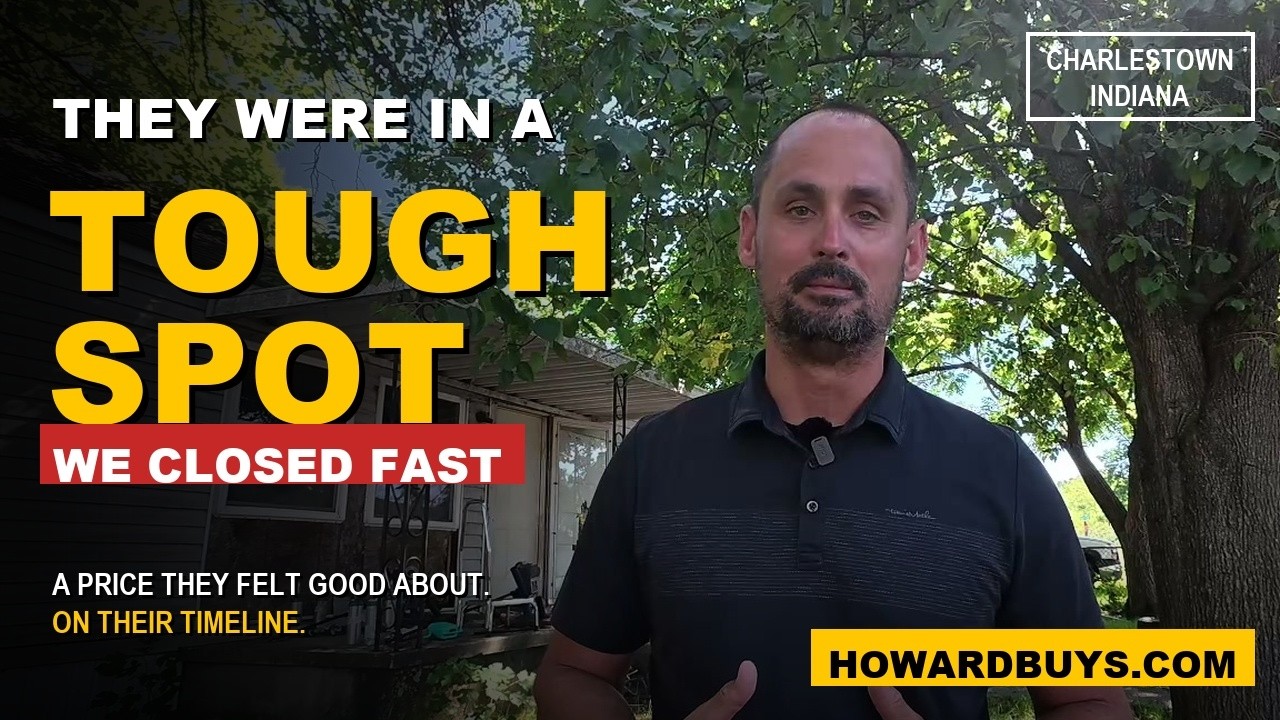
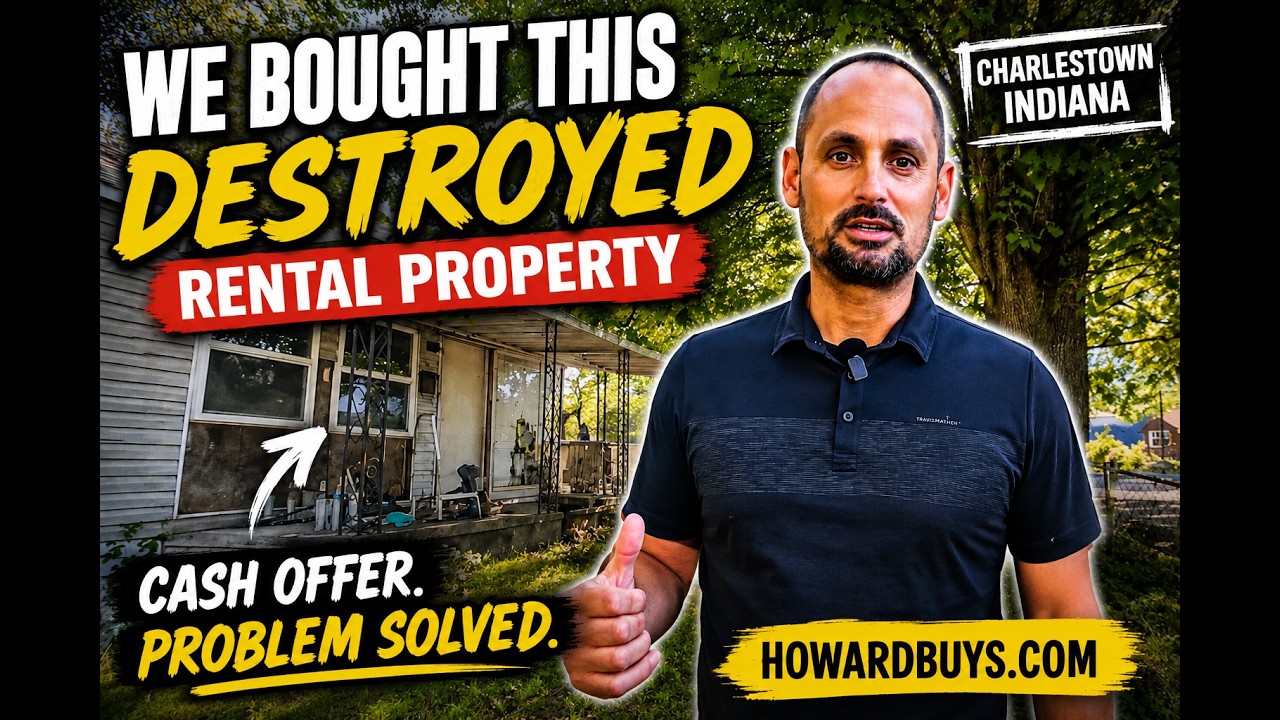
    What do you do when a rental property becomes more headache than it’s worth? That’s exactly where the owners of a house here in Charlestown, Indiana found themselves — and it’s a situation I run into all the time. I’m Grant Howard with Howard Investments, and I want to walk you through a real house we recently bought, because the story probably sounds a lot like yours.

        How We Helped a Charlestown Family Sell a Problem Rental Fast

    This property had been a rental for years. When the last tenants finally moved out, they left the place in rough shape — the kind of damage and cleanout that turns a “let’s just re-rent it” plan into a wall of repair bills and weekends you’ll never get back. The owners were overwhelmed: they didn’t know whether to sink thousands of dollars into fixing it up, chase down another tenant, or just walk away.

    The real choice a tired landlord faces

    When a rental gets to this point, you really have three options. You can pour money and months into repairs and cleanup, then re-rent and hope the next tenant treats it better. You can try to sell it on the open market as-is, where most buyers — and their lenders — run from the condition. Or you can sell it directly to a cash buyer who takes it exactly as it sits. For these owners, the first two paths meant more time, more money, and more uncertainty on a property they were already done with.

    What we actually did

    They reached out, I came and looked at the house in person, and I made a fair, no-obligation cash offer. They picked the closing date that worked for them. They didn’t fix a thing, didn’t haul a single load to the dump, and didn’t pay a commission. We took the house — damage, leftover belongings, and all — and they got to move on. The cleanup and repairs became my problem, not theirs, which is exactly how it should work when you sell to a real local buyer instead of listing it.

    If your rental has become a headache

    Maybe some of this sounds familiar. These are the situations where I can usually help a landlord or owner the most:

    A damaged rental or a tired-landlord situation. Whether the tenants trashed it on the way out or you’re just done being a landlord, I buy rentals as-is — even with tenants still in place.

    A house that needs major repairs. Foundation, roof, water damage, hoarding, you name it — I buy in any condition and handle the work myself.

    An inherited house you never wanted to manage and don’t want to pour money into.

    A vacant property you just want gone that’s draining you a little more every month it sits.

    Foreclosure or back taxes bearing down with a deadline you can’t push.

    How selling as-is for cash works

    I buy houses in any condition throughout Southern Indiana and the Louisville area — no commissions, no repairs, and no pressure. You can see exactly how I buy houses and how I calculate an offer, so there’s no black box. It’s just a straightforward cash number and the room to decide what’s best for you.

    If you’ve got a rental — or any house — that’s become more headache than it’s worth, let’s talk. I’ll take a look and get you a fair, no-obligation cash offer, whether you’re in Charlestown, Jeffersonville, Clarksville, New Albany, or anywhere across Southern Indiana and the Louisville metro. Call or text me at (502) 414-8334, or get your offer started below.

  • How to Sell Your House Fast in Southern Indiana & Louisville: The Complete Guide

    If you need to sell a house fast around here — Clark County, Floyd County, the Louisville metro, or anywhere in between — this guide walks you through every option, what each really costs, how long it takes, and how to know which path fits your situation. I’m Grant Howard with Howard Investments, a local cash buyer based in Charlestown, and I’ve written this to be genuinely useful whether or not you ever call me.

    Your three ways to sell

    List with an agent. Best when the house is market-ready and you have time. Highest likely price, minus 5–6% commission, repairs, and 30–90+ days of holding costs — plus the risk of a financed buyer falling through. (More: Cash Offer vs. Listing.)

    Sell it yourself (FSBO). Saves the listing commission but puts marketing, showings, negotiation, and paperwork on you. (More: How to Sell Without a Realtor.)

    Sell to a local cash buyer. Fastest and most certain — as-is, no commissions, no showings, close in as little as 7 days. Trade-off is a below-retail price that accounts for the repairs and holding the buyer takes on. (More: How I Buy Houses.)

    How a cash sale works, step by step

    You tell me about the house, I look at it in person, I make a written no-obligation cash offer and walk you through the math, you pick the closing date, and we close at a local title company where I cover the normal costs. That’s it. (See exactly how I calculate your offer — no black box.)

    What a cash offer is based on

    After-repair value (from real local comps) minus repairs, minus the costs of buying, holding, and reselling, minus a fair margin. A move-in-ready home gets an offer near market; a fixer gets less, because someone has to pay for the work. Any honest buyer will show you the numbers. (More: How Much Do “We Buy Houses” Companies Pay?)

    Every situation I help with

    Inherited or probate house, behind on mortgage or facing foreclosure, tired-landlord rental with tenants, a house that needs major repairs, divorce, downsizing or relocation, a vacant or unwanted house, or a mobile or manufactured home.

    Where I buy

    Across Clark County (Jeffersonville, Clarksville, Charlestown, Sellersburg, and more), Floyd County (New Albany and beyond), Scott and Harrison counties, and the Louisville, KY metro.

    How to know if a buyer is legit

    Local presence, real named reviews, transparent numbers, no upfront fees, no last-minute price drops, and honest enough to tell you when listing would serve you better. (More: Is Selling to a Cash Buyer a Scam?)

    There’s never any pressure or obligation. Get a fair cash offer, call or text me at (502) 414-8334, or read more about me.

  • How to Sell a House Fast in Louisville, KY (In as Little as 7 Days)

    Can you actually sell a house in Louisville in seven days? Yes — it happens all the time. The catch is understanding how it works and when it’s the right move, so you’re not surprised by the trade-offs. Here’s the honest version.

    Why a normal sale takes 30–90 days

    Most of the delay in a traditional sale isn’t your side — it’s the buyer’s mortgage. After you accept an offer, the buyer’s lender orders an appraisal, runs underwriting, and works through conditions. That’s where the “we’re just waiting on the bank” weeks come from, and it’s also where deals die when financing falls through at the last minute.

    Why a cash sale can close in about a week

    A cash buyer uses their own funds, so there’s no lender, no appraisal, and no financing to fall through. Once you accept the offer, the only thing between you and closing is the title company doing its paperwork — clearing title and preparing the deed — which can happen in roughly seven days. You pick the date.

    When selling fast in Louisville makes sense

    Speed isn’t always the goal, and a good buyer will tell you that. But a fast, certain sale is worth a lot when you’re facing a foreclosure date, a job relocation, an inherited house across the river you don’t want to manage, a rental you’re tired of, or a home that needs more repairs than you want to tackle. In those situations, certainty beats squeezing out the last dollar.

    Working with a local buyer

    I’m based just across the river in Southern Indiana, so I’m in Louisville constantly — the Highlands, the South End, Portland, out to Jeffersontown and beyond. I know the neighborhoods and what homes really sell for on the Kentucky side, which means a fair, grounded offer instead of a lowball from an out-of-state call center.

    If you’ve got a Louisville house you need to move, get a no-obligation cash offer or call/text (502) 414-8334. More on the Louisville page and how I buy houses.

  • Sell My House Fast in Jeffersonville, IN — Your Options for a Cash Sale

    Jeffersonville has changed fast — the waterfront, the Big Four Bridge, River Ridge jobs, and a housing market that’s tightened along with it. If you need to sell a house here quickly, you’ve got more options than a traditional listing. Here’s a straight rundown.

    Your three main options

    List with an agent. Best when your house is market-ready and you can wait 30–90 days. You’ll likely get the highest price, minus commissions (usually 5–6%), any repairs, and holding costs while it sits.

    Sell it yourself (FSBO). Saves the listing commission but puts the marketing, showings, negotiation, and paperwork on you — and most FSBOs still end up paying a buyer’s agent.

    Sell to a local cash buyer. Fastest and most certain. You sell as-is, pay no commissions, skip showings, and close on your timeline — often in as little as 7 days. The trade-off is a price that accounts for the repairs and holding the buyer takes on.

    What to watch for with “we buy houses” outfits

    A lot of the cash offers flooding Jeffersonville come from national wholesalers and call centers three states away who’ve never seen the neighborhood. They tie up your house under contract, then shop it around — and sometimes the number drops right before closing. Work with someone local who makes a firm, fair offer and closes with their own funds.

    Why local matters here

    I’m based just up the road in Charlestown and buy all over Jeffersonville and Clark County — downtown’s older homes, the neighborhoods off Tenth Street, out toward River Ridge. I know what homes actually sell for here, so the offer is grounded in reality, and if listing would net you more, I’ll tell you.

    Ready for a straight answer on your Jeffersonville house? Get a no-obligation cash offer or call/text (502) 414-8334. More on the Jeffersonville page.

  • Selling a Rental Property With Tenants in Indiana (Without Evicting Anyone)

    Being a landlord looks great on a spreadsheet and feels different at 11 p.m. when the furnace quits. If you’re ready to be done — but you’ve still got tenants in the property — you don’t have to wait out a lease or push anyone out to sell. Here’s how to sell a tenant-occupied rental in Indiana cleanly.

    The problem with selling a tenanted rental the traditional way

    On the open market, a tenant-occupied property is a tough sell. Owner-occupant buyers want to move in, so they need it vacant. Showings are hard to coordinate around tenants, and a tenant who knows you’re selling isn’t always motivated to keep the place showable. That leaves you either waiting for the lease to end, turning the unit, or dealing with an eviction — none of them fast or pleasant.

    How a cash sale solves it

    An investor buyer doesn’t need the property vacant — in fact, a paying tenant already in place can be a plus. I buy rentals with the tenants right where they are: their lease comes with the property, nobody gets evicted, and you’re out of the landlord business without turning the unit or timing it around a lease. If the tenants have stopped paying or trashed the place, that’s fine too — I buy it as-is and deal with the situation after closing.

    What you don’t have to do

    No repairs. No make-ready. No coordinating showings around a tenant’s schedule. No eviction filing. You hand off the keys and the lease, and you’re done.

    When it makes sense

    If you’re tired of the calls, the repairs, and the rent-chasing — or you’ve got a problem tenant you’d rather not fight — a cash sale is often the cleanest exit. You trade a bit of top-line price for being out, fast, with none of the landlord headaches.

    If you’ve got a rental in Southern Indiana or Louisville you’re ready to offload, get a no-obligation cash offer or call/text (502) 414-8334. More on the rental property page.

  • How to Sell a House That Needs Repairs (Without Fixing Anything)

    When a house needs real work — a bad roof, a cracked foundation, outdated everything — the traditional market turns brutal. Buyers’ inspectors find every flaw, financed buyers can’t get loans on distressed homes, and the repair bills pile up before you ever get to closing. Here’s how to sell a house that needs repairs without lifting a hammer.

    Why repairs sink a traditional sale

    Two reasons. First, financing: most mortgages require the home to meet certain condition standards, so a house with major issues won’t qualify — knocking out the majority of buyers. Second, inspections: even a willing buyer will use the inspection report to demand repairs or hack down the price, often after you’ve already spent weeks in the deal.

    The as-is cash option

    Selling as-is to a cash buyer flips the problem. I buy houses in any condition — roof, foundation, water damage, fire damage, hoarder situations, all of it — using my own funds, so there’s no lender to satisfy and no inspection contingency to renegotiate. The repairs become my problem after closing, not yours before it.

    What “as-is” really means here

    It means what it says. You don’t fix anything, you don’t clean anything, and you don’t haul anything off. Leave the broken water heater, the junk in the garage, the room you never finished. I factor the work into a fair offer up front, and the number I give you is the number you get.

    Is it worth it?

    If the repairs cost more than you can — or want to — put in, and you’d rather not gamble on a financed buyer making it to closing, an as-is cash sale is usually the cleaner, faster, and less stressful path. You trade some top-line price for never touching a contractor.

    If you’ve got a fixer in Southern Indiana or Louisville, get a no-obligation cash offer or call/text (502) 414-8334. More on the needs repairs page and how I buy houses.

  • How to Sell a Vacant House Fast (Before It Costs You More)

    An empty house is one of the few things that costs you money every single month while doing absolutely nothing for you. Whether it’s an inherited property, a former rental, or a home you moved out of and never sold, the longer it sits vacant, the more it quietly drains. Here’s how to sell a vacant house fast and stop the bleed.

    What a vacant house actually costs you

    Even empty, the house runs up taxes, insurance (often at a higher “vacant property” rate), utilities you keep on to prevent freezing pipes, and basic upkeep. Worse, vacant homes attract problems — code enforcement citations for overgrown lots, vandalism, copper theft, squatters, and weather damage nobody’s there to catch. Insurers know this, which is why vacant coverage costs more and covers less.

    Why vacant homes are hard to list

    Empty houses often show poorly, and if the home’s been sitting, it’s usually picked up deferred maintenance that scares off financed buyers and their inspectors. So the traditional route can mean pouring money into a house you don’t even live in, just to sell it.

    The fast cash option

    Selling as-is to a cash buyer ends the monthly drain quickly. I buy vacant houses in any condition — dated, damaged, full of leftover belongings, whatever the situation — with my own funds, so we can close in as little as 7 days. You stop paying to hold a house that isn’t doing anything for you.

    Move fast — time is literally money here

    With a vacant house, every month of delay is a real cost. If you’ve got one you’re ready to be done with, the quickest path is usually the best one.

    If you own a vacant or unwanted house in Southern Indiana or Louisville, get a no-obligation cash offer or call/text (502) 414-8334.

  • Downsizing in Indiana? How to Sell the Family Home Without the Stress

    Downsizing is supposed to feel freeing, but the house itself can turn into the hardest part. It’s often the home where you raised a family, it’s full of decades of belongings, and it may need updates you don’t feel like managing at this stage of life. Here’s how to sell the family home simply, on your terms.

    The two big stressors of downsizing

    The house needs work. Older family homes usually need updating to compete on the market — kitchens, bathrooms, flooring, the roof. That’s money and disruption you may not want to take on.

    The stuff. Forty years in one place fills an attic, a basement, and a garage. Emptying it under a listing deadline, with showings looming, is exhausting.

    How a cash sale removes both

    Selling as-is means you don’t update anything — I buy it in its current condition. And you don’t have to empty it on a deadline: take what you want to your next place, leave the rest, and I handle the cleanout. There are no showings to keep the house spotless for, and you choose the closing date, so it lines up with wherever you’re moving next.

    Doing it on your timeline

    Maybe you need to close fast to fund the next place, or maybe you need sixty days to find it and move at a comfortable pace. Either works. The point is that downsizing should feel like a step forward, not a second full-time job.

    Is it the right call?

    If avoiding renovations, showings, and a frantic cleanout is worth more to you than the last few percent of sale price, a cash sale is the low-stress path. If the home’s already in good shape and you have time, listing may net more — I’ll give you a straight read.

    Thinking about downsizing in Southern Indiana or Louisville? Get a no-obligation cash offer or call/text (502) 414-8334.

  • Selling a House During a Divorce in Indiana: A Faster, Cleaner Option

    Dividing a house in a divorce is often the hardest financial knot to untie. Neither person wants to keep paying a mortgage on a home they’re leaving, and the longer it sits unsold, the longer the two of you stay financially tangled. Here’s how a cash sale can make that part simpler.

    Why the traditional route drags out a divorce

    Listing a house means agreeing — on an agent, a price, repairs, showings, and every offer that comes in — with someone you’re actively separating from. That’s a lot of required cooperation at the worst possible time, and it can stretch the sale (and the tension) across months. Meanwhile the mortgage, taxes, and upkeep keep coming, usually split in a way nobody’s happy with.

    How a cash sale simplifies it

    A cash sale collapses the process to a few clean steps: one fair offer, one closing date, and proceeds that can be split according to your agreement or the court’s order. There’s no staging the home you’re moving out of, no strangers walking through, no negotiating repairs with a buyer’s inspector. It’s fast and private — often exactly what both sides want when the goal is to move on.

    Keeping it clean

    I can work with both spouses, or with attorneys, so nobody feels cornered and the numbers are transparent to everyone. You pick a closing date that fits the settlement timeline. Title and the proceeds get handled at a neutral title company, so the split is clean and documented.

    When it makes sense

    If speed, privacy, and a clean break matter more than squeezing out the last dollar, a cash sale is often the least painful path through the house question. If the home is in great shape and both parties can cooperate on a listing, that may net more — and I’ll tell you so honestly.

    If you’re working through a divorce anywhere in Southern Indiana or Louisville, get a no-obligation cash offer or call/text (502) 414-8334. (General information, not legal advice.)

  • How Fast Can You Sell a House for Cash? (What to Expect, Week by Week)

    “Close in 7 days” gets thrown around a lot. Is it real? It can be — but it helps to see exactly what happens and when, so there are no surprises. Here’s a realistic timeline of a cash sale, and what actually drives the speed.

    Day 1 — First contact. You call or fill out the form and tell me the basics: where the house is, its rough condition, and your situation. Five minutes.

    Days 1–2 — Walk-through. I come see the property in person — usually within a day or two, since I’m local. This is quick and low-key; you don’t clean or prep anything.

    Days 2–3 — Written offer. I put together a fair cash offer based on comps and condition and walk you through the numbers. No obligation to accept.

    Days 3–7+ — Title work. If you accept, the file goes to a local title company. They clear the title (confirm there are no liens or surprises) and prepare the closing documents. This step is the main thing that sets the pace — and it’s usually about a week.

    Closing day — You get paid. You sign at the title company, hand over the keys, and walk away with your money. No repairs, no commissions, no last-minute renegotiation.

    What can make it faster or slower

    Faster: a clean title and a motivated seller who’s ready. Slower: title issues (old liens, probate not yet settled, unclear ownership), which take time to resolve no matter who’s buying. If you’re up against a hard deadline like a foreclosure sale date, tell me up front and I’ll push the pace where I can.

    The bottom line

    Seven days is genuinely possible, and I close on the date you choose — whether that’s next week or two months out. The speed comes from paying cash: no lender, no appraisal, no financing to fall through.

    Need to know your timeline? Get a no-obligation cash offer or call/text (502) 414-8334. More on how I buy houses.

  • Opendoor & iBuyer Alternatives in Louisville & Southern Indiana

    “iBuyers” like Opendoor made the instant-offer idea popular, but a lot of homeowners around here find the same drawbacks: service fees that rival a commission, offers generated by an algorithm that’s never seen the neighborhood, and repair deductions that show up after the inspection. If you want the speed of a cash sale without those catches, a local buyer is the alternative worth knowing.

    How iBuyers actually work

    An iBuyer uses software to generate a quick offer, then charges a service fee (often around 5%, similar to a commission), and typically deducts repair costs after their inspection. They also tend to want homes in fairly good, cookie-cutter condition in specific zip codes — which leaves out a lot of Southern Indiana and older Louisville housing. And their coverage comes and goes with the market.

    How a local cash buyer is different

    I’m a person, not an algorithm. I look at your house in person, so the offer reflects the real property, not a data guess. There are no service fees and no commissions. I buy in any condition — including the older homes and mobile/manufactured homes iBuyers skip — and I buy on both sides of the river, Southern Indiana and the Louisville metro. I’m not going to pull out of your market next quarter, because this is my market.

    When the local route wins

    If your house is older, needs work, sits outside the tidy zip codes iBuyers favor, or you just want to deal with a real local person who’ll explain the numbers, a local cash buyer is the better alternative. You get the speed and certainty without the tech-company fees.

    Want to compare a real, local offer against an iBuyer quote? Get a no-obligation cash offer or call/text (502) 414-8334. Learn more about me.

  • How to Sell a House Without a Realtor in Indiana

    Plenty of Indiana homeowners want to skip the agent — and the commission that comes with them. You can absolutely sell without a realtor. The question is which no-agent path actually saves you money and hassle, and which just moves the work onto your plate. Here’s the honest breakdown.

    Option 1: For Sale By Owner (FSBO)

    You handle everything an agent would: pricing, photos, listing on the MLS (usually via a flat-fee service), marketing, showings, negotiating, and the mountain of Indiana disclosure and closing paperwork. You save the listing-side commission (about 3%), but keep in mind most FSBO sellers still offer a buyer’s-agent commission to attract buyers — so you rarely save the full 5–6%. FSBO works best if you have time, a market-ready house, and patience for the process.

    Option 2: Sell directly to a cash buyer

    Selling straight to a cash buyer skips agents entirely — on both sides. There’s no commission at all, no listing, no showings, no staging, and no financed buyer to fall through. You sell as-is and close on your timeline. The trade-off is a price below full retail, since the buyer takes on the repairs and holding costs. For a house that needs work or a seller who wants it handled fast and clean, that trade is often worth it.

    Which one fits you?

    If your house is in great shape, you have time, and you’re comfortable running the sale yourself, FSBO can put more in your pocket. If you’d rather not deal with any of it — or the house needs work — a direct cash sale is the simplest no-agent path. And because I’m tied to a licensed brokerage, if listing would actually net you more, I’ll tell you straight.

    Want a no-obligation number to compare against going FSBO? Get a cash offer or call/text (502) 414-8334.

  • Is Selling to a Cash Home Buyer a Scam? How to Spot a Legit Buyer

    Type “sell my house fast” into Google and you’ll get a hundred yellow “we buy houses” signs and ads. It’s fair to wonder which ones are real. Cash home buying is a legitimate, common way to sell — but like any industry, it has some bad actors. Here’s how to tell a trustworthy local buyer from one to avoid.

    Cash buying is legit — here’s the honest version

    A real cash buyer is an investor who purchases your home directly, usually to repair and resell or to keep as a rental. You trade a below-retail price for speed, certainty, and zero hassle. That’s a real, fair trade that helps a lot of people — there’s nothing shady about the model itself. The issues come from how a particular buyer operates.

    Red flags to watch for

    They pressure you to sign fast. A legit buyer gives you time and space. High-pressure “sign today or the offer’s gone” tactics are a warning sign.

    They won’t explain the offer. If they can’t or won’t walk you through how they got the number, be cautious.

    The number drops right before closing. Some wholesalers tie up your house, shop it around, then renegotiate down at the last minute. A real buyer stands behind their offer.

    They ask for money up front. You should never pay a legitimate cash buyer any fees to sell your house.

    No local presence, no reviews, no name. A call center three states away with no reviews and no real address is a different animal than a local person who shows up.

    Green flags of a real local buyer

    They’re local and will meet you at the property. They have real, named reviews you can check. They explain their numbers. They put it in writing and close at a reputable title company. And they’ll tell you honestly when listing would serve you better — even though it costs them the deal.

    How I do it

    I’m Grant Howard — a real local investor based in Charlestown, not a call center. You can read about me, see reviews from people I’ve worked with, and I’ll always explain exactly how I reach an offer. No pressure, no fees, no games.

    If you want a straight, no-pressure conversation, get a no-obligation cash offer or call/text (502) 414-8334.

  • How I Calculate Your Cash Offer (No Black Box)

    A lot of sellers tell me the same thing: the other cash offer they got felt like a number pulled out of thin air. I don’t work that way. Here’s exactly what goes into the offer I make on your house, step by step, so there’s no mystery.

    Step 1 — What the house is worth fixed up

    I start by figuring out your home’s after-repair value: what it would sell for on the open market in good condition. I do that with real comparable sales — similar homes near you that recently sold — not a guess and not a national algorithm that’s never seen your street.

    Step 2 — What it needs

    Then I look at the actual condition and estimate the repairs and updates the house needs to reach that value — roof, systems, kitchen, whatever’s there. This is why I like to see the property in person; a real walk-through means a real number instead of a lowball just in case.

    Step 3 — The costs of doing the deal

    Buying, holding, insuring, and reselling a house all cost money — closing costs on both ends, taxes and utilities while it’s owned, and the time and risk involved. Those come out too, along with a reasonable margin that lets me stay in business and keep buying.

    Step 4 — Your offer

    What’s left is your cash offer, and I’m glad to walk you through every piece of it. You’ll see the comps, the repair estimate, and the math. If it works for you, great; if not, no pressure and no hard feelings.

    Why the transparency matters

    An offer you understand is one you can trust. Honest numbers are also just good business — I live and work in this community, and my reputation matters more than any single deal.

    Want to see it applied to your house? Get a no-obligation cash offer or call/text (502) 414-8334.

  • How Much Do “We Buy Houses” Companies Actually Pay?

    It’s the question every seller wants answered and most cash-buyer websites dodge: how much will you actually get? Here’s a straight, no-spin explanation of how cash offers are figured — so you can tell a fair one from a lowball.

    Cash offers start from after-repair value, not today’s value

    A cash buyer looks at what your house would be worth fixed up and sold on the open market — the after-repair value, or ARV — based on recent comparable sales in your area. From that number, they subtract the cost of the repairs the house needs, the costs of buying, holding, and reselling it, and a reasonable profit margin for taking on the risk and the work. What’s left is the offer.

    A simple way to think about it

    Roughly: ARV minus repairs, minus the buyer’s costs and margin, equals your cash offer. A house that needs little work gets an offer much closer to market value; a house that needs a lot gets a lower one, because someone has to pay for all that work. That’s not a trick — it’s just where the money goes.

    What this means for you

    A cash offer is generally below full retail, and any honest buyer will tell you that up front. What you’re buying with that difference is speed, certainty, and zero cost or effort on your end — no repairs, no commissions (which alone run 5–6%), no holding costs, no showings, and no risk of a financed buyer falling through. For a house that needs work or a seller who needs to move, that trade is often well worth it.

    How to make sure your offer is fair

    Ask the buyer to walk you through their numbers — the ARV they used, the comps behind it, and the repairs they’re estimating. A legitimate local buyer will happily show their work. If someone won’t explain how they got to the number, that’s your signal.

    I’m always open about exactly how I reach an offer. Get a no-obligation cash offer, call/text (502) 414-8334, or read how I buy houses.